The Heart of the Home, Reimagined: How One Kitchen Transformation Saved a Family’s Connection
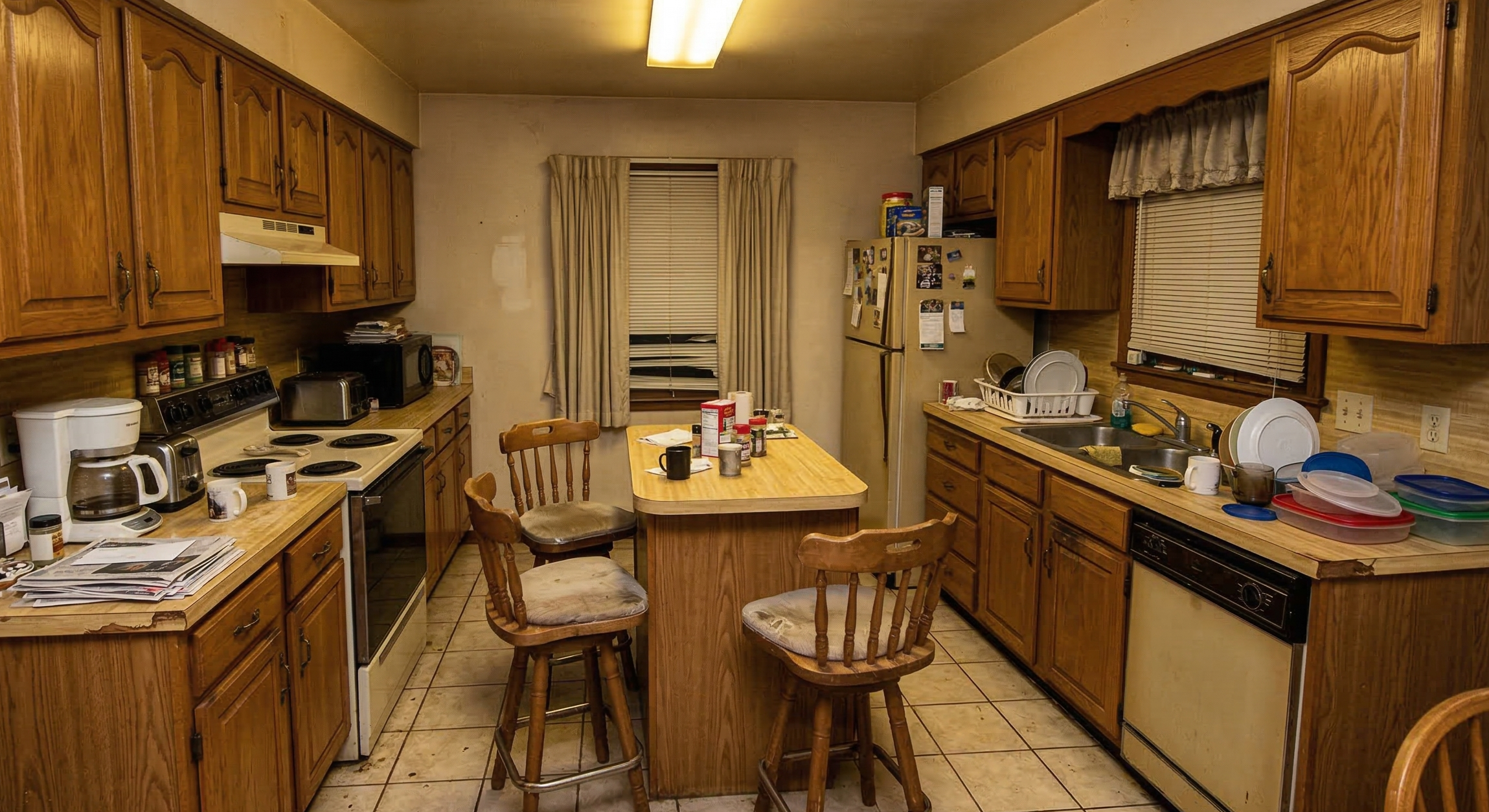
For years, Sarah Mitchell lived in a state of “functional frustration.” Her kitchen, a cramped, 1990s relic of honey oak and laminate, was a place of transit, not a destination. It was the room where she scrambled to find a matching lid for a Tupperware container, where the kids dodged each other to grab a snack, and where she and her husband, Mark, inevitably ended up bumping elbows during the morning coffee rush.
“I didn’t just dislike it; I felt defeated by it,” Sarah recalls. “It was a room designed for chores, not for living. I found myself ordering takeout just so I wouldn’t have to spend an hour navigating the chaos of those counters.”
Like many homeowners, Sarah’s initial hesitation to remodel was rooted in the “fear of the unknown.” She assumed her vision for a chef-grade, social sanctuary would dwarf her budget. But it was a single afternoon with the design team that changed the trajectory of her home.
The Heart of the Home, Reimagined: How One Kitchen Transformation Saved a Family’s Connection 10
The Revelation of Design: Stretching the Dollar
During the initial consultation, Sarah was met with a surprise that shifted her entire perspective on remodeling costs. “I went in thinking I had to pick between a functional island or high-end cabinets,” she says. “I had a number in my head, and I was sure it would only cover a ‘facelift’, new paint and maybe some granite.”
Instead, the design team performed a sort of “spatial surgery.” By analyzing the existing footprint, they showed Sarah how a smarter layout actually freed up budget she was planning to spend on structural changes.
“They told me, ‘Sarah, we don’t need to knock down this load-bearing wall to get the flow you want. We just need to move the refrigerator three feet and reorient the island,'” Sarah explains. “By avoiding the cost of new steel beams and complex engineering, I suddenly had thousands of dollars back in my pocket to spend on the things I actually touch and see every day, like the custom cabinetry and professional-grade range.”
The designers introduced the concept of the “Work Triangle 2.0,” a layout that respected her cooking habits while creating a “social zone” that kept guests out of the “splash zone” of the sink. They also suggested a “high-low” material strategy: investing in high-impact areas like the island and saving on peripheral elements without sacrificing quality.
The Curation: Textures, Tones, and “Hardware Hacks
Once the layout was locked, the focus shifted to the “Visual Anchor.” Sarah knew she wanted a specific look—a blend of “Modern Organic” and “Timeless Industrial.”
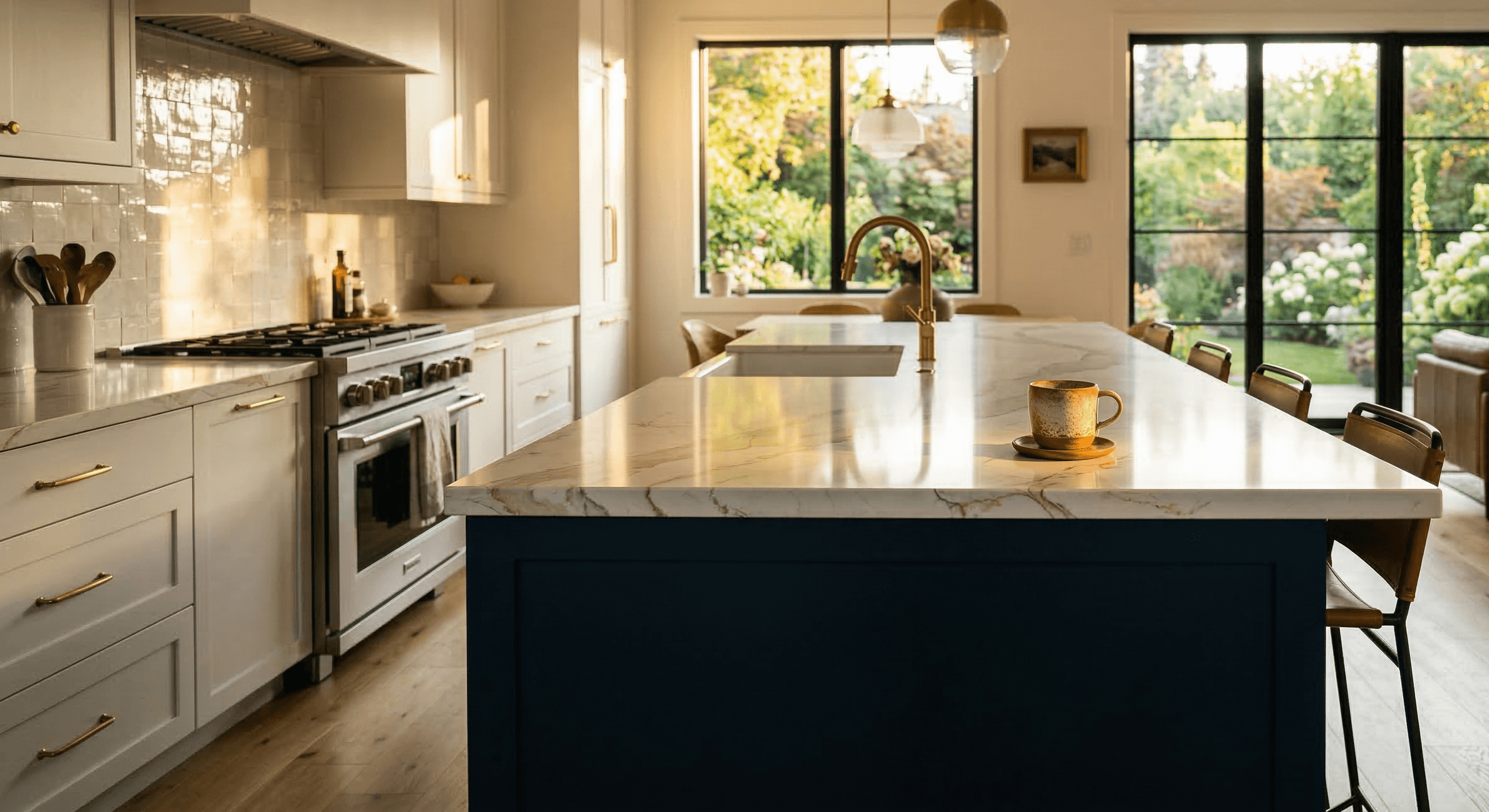
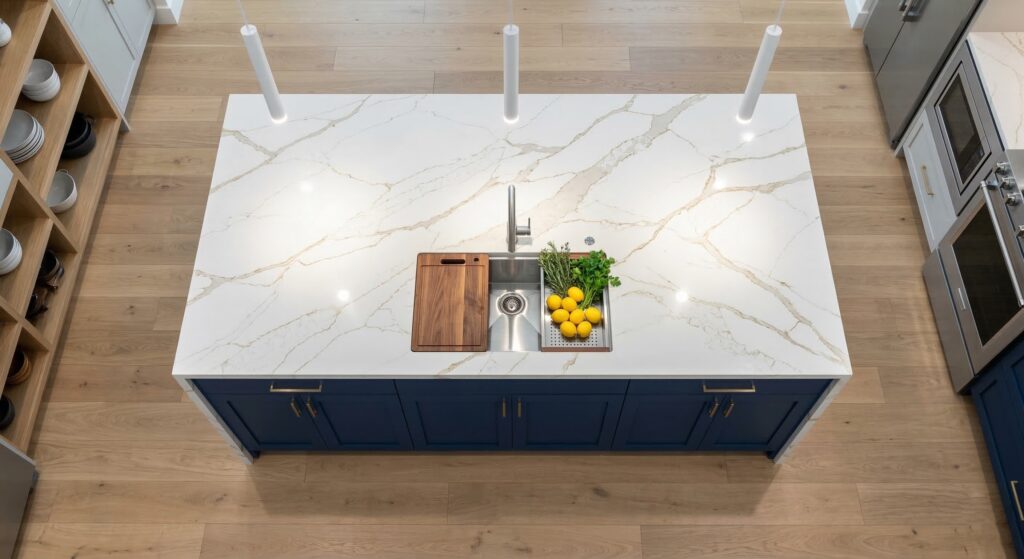
The Anchor: The “Statement” Island The design is anchored by a massive, deep-navy island topped with a slab of “Calacatta Gold” quartz. The island isn’t just a prep surface; it’s a piece of furniture. “We chose a waterfall edge on one side to give it that architectural weight,” Sarah notes. “It’s the first thing you see, and it sets the tone for the whole house.”
The Material Palette To complement the island, the team curated a palette of matte-finish white perimeter cabinets and a backsplash of handmade Zellige tiles. The variation in the tile’s texture catches the light differently throughout the day, preventing the white kitchen from feeling “sterile.”
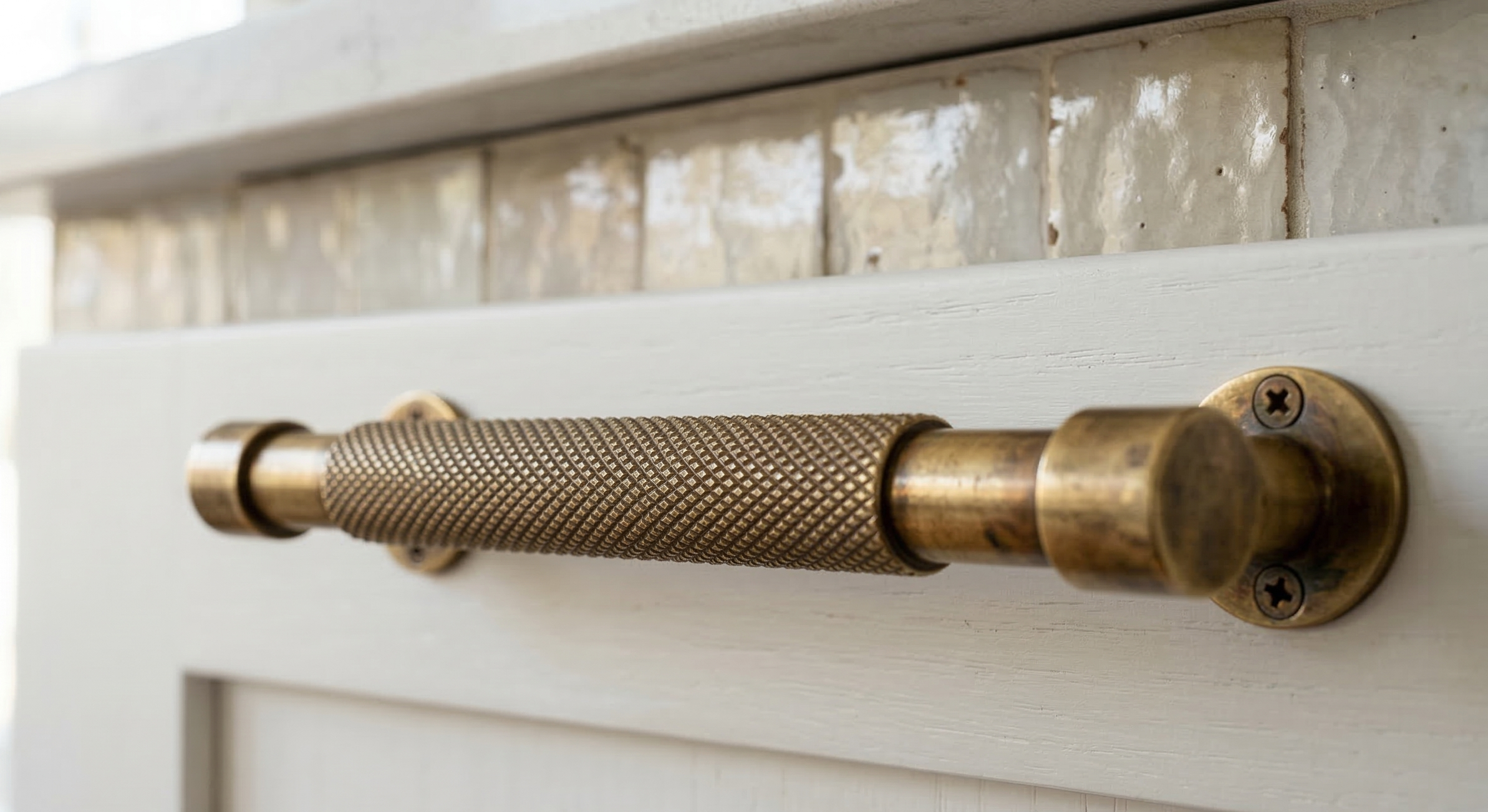
The Fixture & Hardware Surprise One of Sarah’s favorite parts of the story involves the details. “I was looking at cabinet pulls at a big-box home improvement store, and they were $15 to $20 a piece for something that felt like plastic,” she says.
The Heart of the Home, Reimagined: How One Kitchen Transformation Saved a Family’s Connection 11
The design team intervened, sourcing heavy-duty, solid brass knurled pulls from a specialty trade-only supplier. “Not only did they feel like luxury jewelry for my cabinets, but because the team has direct-to-manufacturer relationships, they actually cost 30% less than the generic ones at the local store. It was a small win that felt huge.”
The fixtures followed suit. They selected a professional-grade, high-arc bridge faucet in a “living” unlacquered brass finish that will patina over time. It was paired with a workstation sink that includes integrated cutting boards and colanders, essentially adding two feet of “hidden” counter space.
The Heart of the Home, Reimagined: How One Kitchen Transformation Saved a Family’s Connection 12
The Art of the Process: A Linear Transformation
Living through a remodel is often portrayed as a nightmare, but for Sarah, it was a fascinating study in precision. Following a best-in-class remodeling sequence, the transformation unfolded with the rhythm of a well-rehearsed symphony.
1. The Foundation: Floors and Layout The first major shift was the flooring. The old, cracked tile was replaced with wide-plank white oak that stretched into the dining area, instantly making the floor plan feel double its size. Seeing the floor go down was the first time Sarah realized how much “visual noise” the old tile had created.
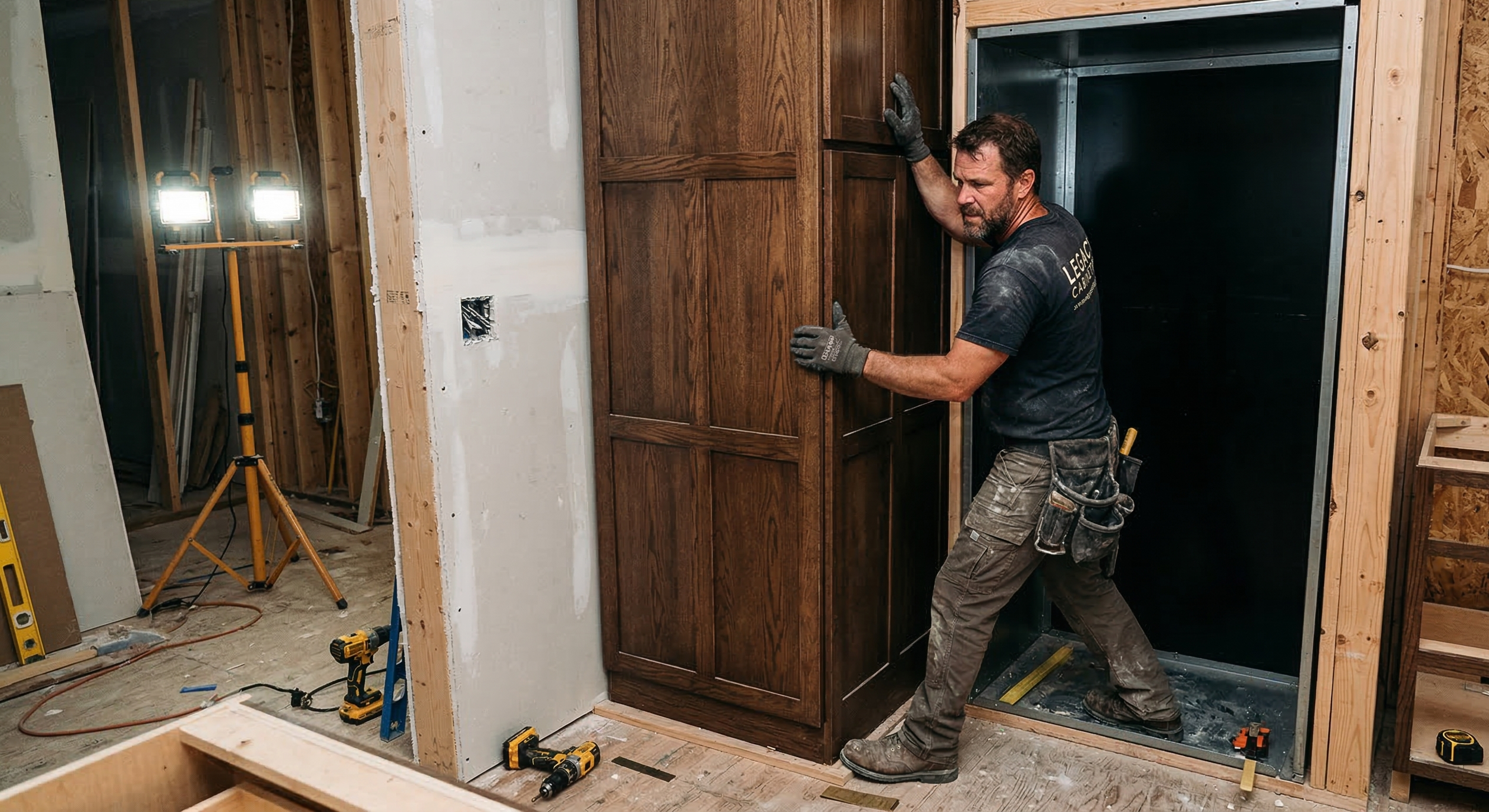
2. The Tension: The “Will It Fit?” Moment Every great story has a moment of doubt. For Sarah, it was the arrival of the custom floor-to-ceiling pantry and the massive new refrigerator. “I saw the boxes and the sheer height of the cabinetry and I panicked,” she laughs. “I was convinced the measurements were wrong, that it would swallow the room. I stayed up that night worrying that we had made the island too big.”
The next morning, the lead installer reassured her. With laser-level precision, the cabinetry slid into place with barely a millimeter to spare. The clearance between the island and the pantry was exactly 42 inches—the “golden measurement” for two people to pass each other comfortably. “That was the moment I realized I wasn’t just getting a kitchen; I was getting architecture.”
3. The Functional Jewelry: Appliances and Fixtures Next came the “smart” layer. The new appliance, including a hidden, panel-ready dishwasher, removed the visual “clutter” of mismatched stainless steel. The new cabinets featured pull-out “blind corner” organizers and hidden charging stations, maximizing every square inch of the existing footprint.
The Heart of the Home, Reimagined: How One Kitchen Transformation Saved a Family’s Connection 13
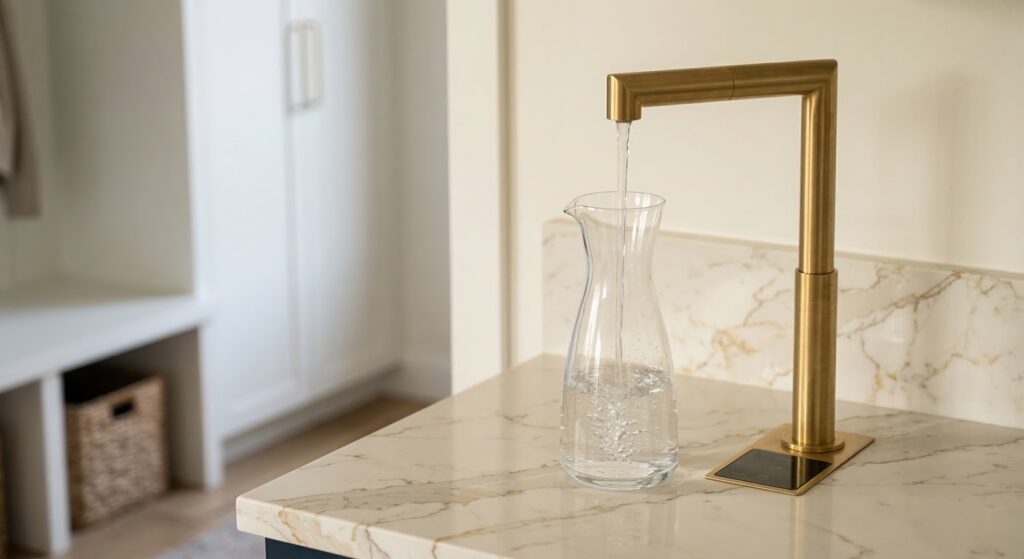
The piece de resistance? A built-in, filtered water dispenser located near the mudroom entrance. “It sounds small, but it changed everything,” Sarah says. “No more plastic bottles, no more crowding the sink just for a glass of water. It turned the kitchen into a hydration station for the whole neighborhood.”
The Heart of the Home, Reimagined: How One Kitchen Transformation Saved a Family’s Connection 14
The Aftermath: From Chores to Connection
When the dust settled and the final backsplash tile was polished, the result wasn’t just a beautiful room—it was a new family dynamic.
The Heart of the Home, Reimagined: How One Kitchen Transformation Saved a Family’s Connection 15
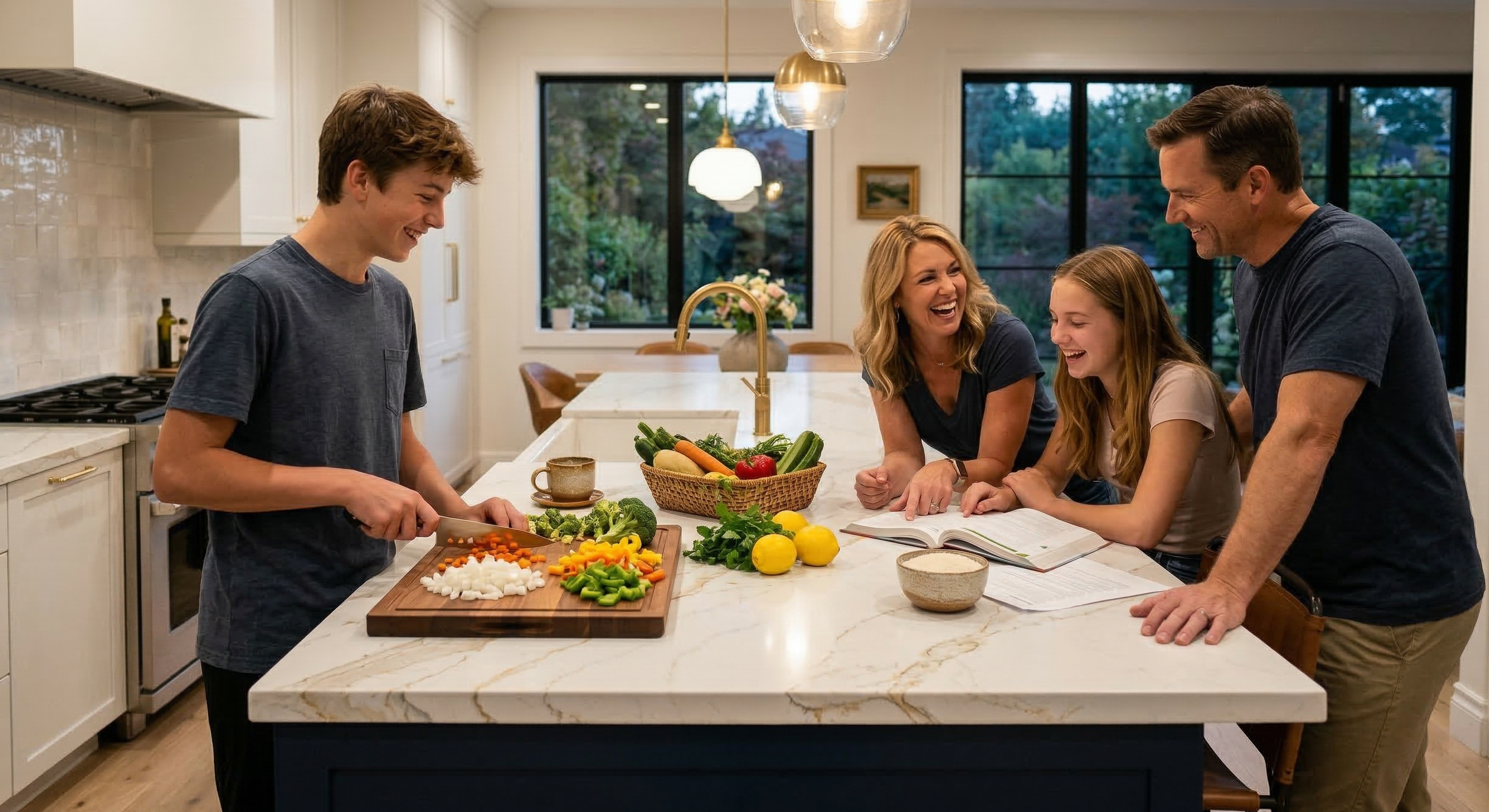
“The weirdest thing happened,” Sarah says. “My teenagers started hanging out in the kitchen. They sit at the island to do homework while I prep dinner. Because the layout actually works, they aren’t ‘in the way’ anymore. They’re just… there.”
The ease of preparation has led to a health revolution in the Mitchell household. Prepping fresh vegetables is no longer a chore on the expansive quartz counters, and the “health snack station” in the new pantry makes it easier for the kids to grab an apple than a bag of chips. “The kitchen actually helps us be the version of ourselves we always wanted to be,” Sarah muses.
The Ultimate ROI: Staying Put
Before the remodel, Sarah and Mark often scrolled through Zillow, looking for a house that “actually functioned.” They viewed the remodel as a way to “lipstick the pig” before selling.
“We were focused on resale value,” Mark admits. “We knew a high-end kitchen adds 10–15% to the home’s value instantly. But the first night we sat down for dinner at that island, we looked at each other and realized: why would we leave? This house finally feels like it belongs to us.”
The transformation turned a place of frustration into the center of their world. The kitchen is no longer just where the food is made; it’s where the family is built.
The Heart of the Home, Reimagined: How One Kitchen Transformation Saved a Family’s Connection 16
A Designer’s Perspective: Why This Works
A Note from the Design Team
The success of the Mitchell project wasn’t just in the materials; it was in the intentionality of the layout. To achieve a similar “Masterpiece” feel in your own home, keep these three principles in mind:
The 42-Inch Rule: Ensure your walkways are wide enough for the “two-cook shuffle.” True luxury is never feeling crowded.
Identify the Anchor: Every kitchen needs one “hero” element (like Sarah’s navy island). Let everything else play a supporting role.
Invest in Touchpoints: You may not notice the brand of your dishwasher every day, but you will feel the quality of your cabinet pulls and your faucet 20 times a day. Don’t skimp on the hardware.
The Heart of the Home, Reimagined: How One Kitchen Transformation Saved a Family’s Connection 17