
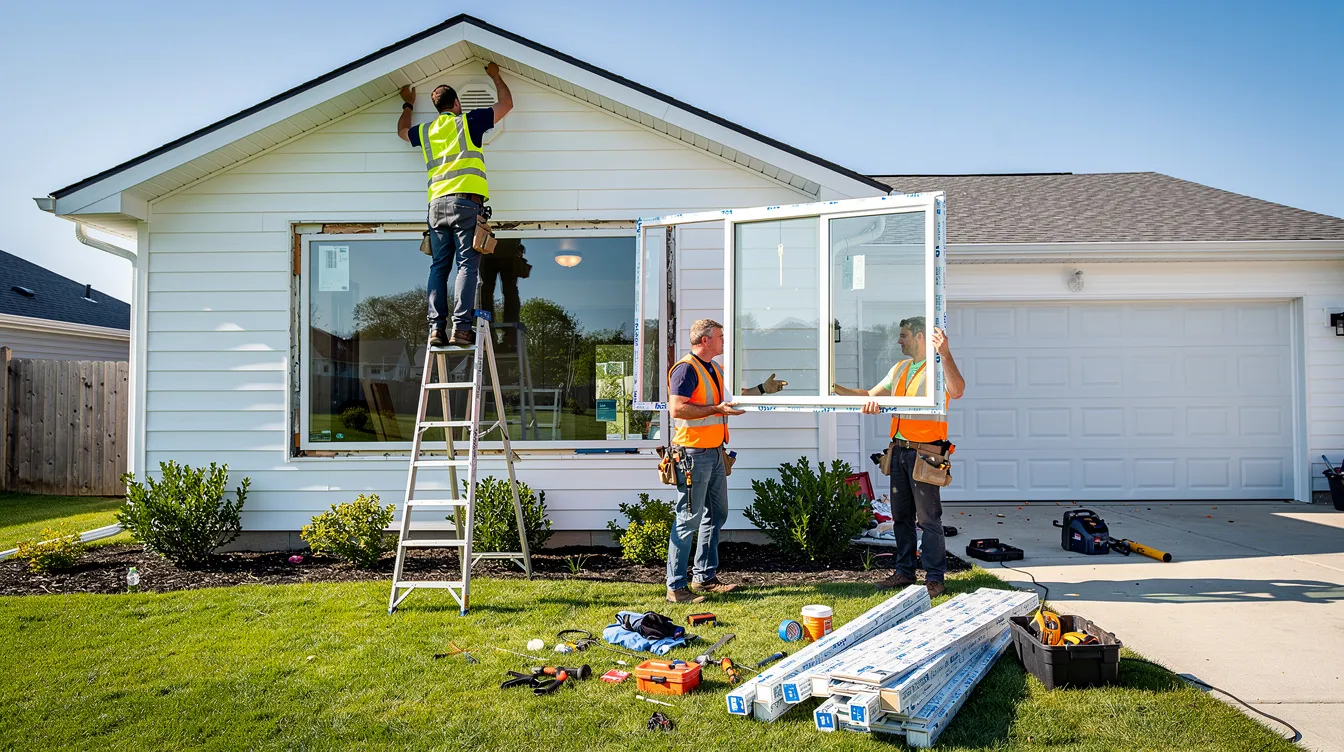
Window replacement refers to the process of removing your existing window units—including the sash, frame, and sometimes surrounding components—and installing entirely new windows in their place.
Homeowners typically consider this upgrade when facing drafty rooms, rising energy bills, visible frame damage, or windows that simply no longer function properly.
This guide covers both full-frame and insert (retrofit) replacement methods, realistic timeframes for completion, material options, cost considerations, and the step-by-step process involved. It does not cover minor repairs like weatherstripping replacement, historic window restoration projects, or simple glass-only replacements where the sash and frame remain intact.
The target audience includes homeowners dealing with aging single-pane windows, those noticing condensation between panes, anyone experiencing difficulty operating their windows, or people simply looking to improve their home’s energy efficiency and comfort.
Window replacement involves removing existing windows and installing new ones, with standard retrofit installations typically taking 30-90 minutes per window, meaning a whole-home project of 10-15 windows usually completes within 1-2 days when no structural complications arise.
By the end of this guide, you will gain:
- Clear understanding of replacement costs across different materials and project types
- Knowledge to select the right frame materials and glass options for your climate and budget
- Complete process knowledge from planning through final inspection
- Realistic timeline expectations based on project scope
- The ratings and requirements for window replacement
- Maintenance insights to protect your investment for decades
Understanding Window Replacement Fundamentals
Window replacement differs significantly from repair or restoration work. When you repair a window, you fix specific components—hardware, weatherstripping, or individual panes—while keeping the existing frame and sash intact.
Restoration, particularly common with historic windows, involves preserving and rehabilitating original materials to maintain historical authenticity. Full replacement, by contrast, removes the entire window assembly and installs a completely new unit, restoring full performance potential for insulation, sealing, and energy efficiency.
Signs You Need Window Replacement
Several visual and functional indicators signal that replacement rather than repair makes financial sense. Rotting or warped frames, particularly in wood windows, indicate structural compromise that repair cannot adequately address.
Condensation appearing between glass panes—not on interior or exterior surfaces—means the seal has failed and any insulating gas fill has escaped, significantly degrading thermal performance.
Windows that stick, refuse to stay open, or won’t lock properly often indicate age-related misalignment or hardware failure extensive enough that replacement proves more cost-effective than repeated repairs. If you feel drafts near closed windows, notice cold or hot spots in rooms with lots of windows, or see your energy bills climbing without other explanation, your windows are likely leaking air or conducting excessive heat transfer.
Single-pane windows or double-pane units more than 20-25 years old typically lack modern energy components like Low-E coatings or argon gas fills. These older windows contribute to approximately 25-30% of residential heating and cooling energy use, making them prime candidates for replacement.
Types of Window Replacement Projects
Full-frame replacement involves removing the entire window unit, including the frame, jambs, sash, and sill, then installing a completely new assembly. This approach becomes necessary when frames show significant damage, warping, or rot, or when the surrounding wall structure requires attention.
Full-frame work offers maximum performance potential by allowing proper flashing, insulation, and current energy code compliance, though it requires more time and expense.
Insert replacement, also called retrofit installation, places a new window unit into the existing frame opening. Only the sash, glass, stops, and trim get replaced while the original frame remains. This method works well when existing frames remain structurally sound and square, offering quicker completion and lower cost. However, thermal performance and sealing effectiveness sometimes fall short of full-frame results.
Your choice between these approaches directly influences which materials and styles will work best for your project, as some frame materials perform optimally in full replacements while certain window styles require specific frame thickness and structural support.
Types of Windows for Replacement
When it comes to replacing windows, homeowners have access to a wide variety of options, each designed to enhance energy efficiency, maximize natural light, and complement the unique style of any home.
Understanding the different types of windows available can help you select the best fit for your needs, whether you’re looking to improve ventilation, boost curb appeal, or simply enjoy a brighter, more comfortable living space.
Double-hung windows are among the most popular choices for replacement projects. Featuring two operable sashes that slide vertically, they offer excellent ventilation control and are easy to clean from inside the home. Their classic design suits a variety of architectural styles, and modern double-hung options are engineered for superior energy efficiency.
Casement windows are hinged on the side and open outward with a crank, allowing for unobstructed views and maximum airflow. Their tight seal when closed makes them one of the most energy efficient window types, ideal for areas where you want to minimize drafts and maximize natural light.
Sliding windows glide horizontally along a track, making them a practical choice for wide openings and spaces where an outward-opening sash might be impractical. They provide a sleek, modern look and allow for lots of natural light, while also being easy to operate and maintain.
Picture windows are fixed, non-operable units designed to frame outdoor views and flood interiors with natural light. While they don’t open for ventilation, their simplicity allows for larger glass areas, boosting both energy efficiency and visual impact.
Bay and bow windows project outward from the home’s exterior, creating a sense of space and inviting in more natural light from multiple angles. These types are perfect for homeowners looking to add architectural interest and expand their view, while also increasing the amount of sunlight entering the room.
Awning windows are hinged at the top and open outward, making them ideal for letting in fresh air even during light rain. Their design helps protect the interior from the elements and can be paired with other window types for added versatility.
Specialty shapes—such as arched, round, or custom geometric windows—offer unique design possibilities and can be used to highlight architectural features or create a focal point in your home. These options allow for maximum customization, ensuring your replacement windows reflect your personal style.
With so many types and options available, today’s homeowners can truly tailor their window replacement project to meet their specific goals. Whether you prioritize energy efficiency, want to increase natural light, or are seeking a particular look, there’s a window type designed to meet your needs.
Working with experienced window installers and using a home customization tool that demonstrates the differences in window types can help you visually see how each option will look and perform in your space, ensuring you make the best choice for your home’s comfort and style.
Window Materials and Styles for Replacement
Selecting the right frame material involves balancing initial cost, maintenance requirements, energy efficiency, durability, and aesthetic preferences. Each material offers distinct advantages based on your climate, budget, and long-term plans for the home.
Vinyl Window Replacements
Vinyl (PVC) frames represent the most affordable option for most homeowners, with material costs typically ranging from $100 to $900 per window depending on size and quality level. Vinyl windows are budget-friendly and offer style flexibility for any home.
These frames resist moisture exceptionally well, never require painting, and won’t rot or corrode over time. Many vinyl frames feature hollow cavities that manufacturers fill with insulation, improving thermal performance.
Energy efficiency with vinyl windows reaches strong levels when combined with double-pane or triple pane glass, Low-E coatings, and argon gas fills. The material naturally insulates better than aluminum, keeping interior temperatures more stable and reducing energy transfer at the frame.
Vinyl is a budget-friendly, low-maintenance window material, and vinyl windows are made with insulated frames and energy efficient glass.
However, vinyl presents some limitations. The material can warp under extreme heat or degrade with heavy UV exposure without proper stabilization. Style options, particularly color choices, remain more limited than wood or clad materials.
However, modern vinyl windows are available in a variety of colors, including popular options like white and black, and dual-color frames (such as black exteriors with white interiors) are available for enhanced customization. Premium vinyl frames also lack the rigidity of wood or fiberglass, potentially deflecting in very large window openings.
Premium vinyl picture windows offer increased strength and energy efficiency over standard models. For homeowners prioritizing low maintenance and affordability over custom aesthetics, vinyl delivers excellent value. The vinyl material meets or exceeds standards for strength and color retention established by the American Architectural Manufacturer’s Association (AAMA).
Wood Window Replacements
Wood frames offer classic aesthetic appeal with extensive customization options through various species, stains, and paint finishes. The natural insulating properties of wood contribute to strong thermal performance, and properly maintained wood windows can last generations.
Material costs range from $150 to over $1,300 per window depending on wood species and finish level. Wood frames accept virtually any color or profile, making them ideal for homeowners seeking specific architectural styles or custom interior trim matching.
The trade-off involves maintenance requirements. Wood demands regular painting or staining, typically every 3-7 years depending on exposure and climate. Without proper protection, moisture penetrates the material, leading to rot, warping, and insect damage. Humid climates or homes with heavy rain exposure may find wood problematic unless opting for wood-clad options featuring wood on the interior with aluminum or vinyl exterior cladding.
Compared to vinyl’s set-and-forget maintenance profile, wood requires ongoing attention but rewards homeowners with unmatched natural light framing and aesthetic flexibility.
Fiberglass and Composite Window Options
Fiberglass frames deliver exceptional durability with minimal expansion and contraction across temperature extremes. This dimensional stability means seals last longer and frames maintain precise fit year after year. Fiberglass can convincingly mimic the look of painted wood while requiring far less maintenance.
Installed costs typically run $400 to $1,500 or more per window, reflecting the premium positioning. Composite frames, combining wood fibers with polymer materials, aim to merge the advantages of multiple materials—better moisture resistance than wood, less warping, and good thermal performance—at costs between premium vinyl and high-end fiberglass.
For homeowners seeking the best compromise between durability, energy efficiency, and aesthetic appeal, fiberglass and composite options warrant serious consideration despite higher upfront investment. Lead times may run longer than standard vinyl, and local availability varies by region.
Material Trade-offs Summary:
- Vinyl: Lowest initial cost, minimal maintenance, limited premium aesthetics
- Wood: Highest aesthetic flexibility, requires ongoing maintenance, premium pricing
- Fiberglass/Composite: Best balance of durability and performance, highest cost, possible availability constraints
Beyond frame materials, window styles dramatically affect both cost and functionality. Double-hung, single-hung, sliding, casement, awning, picture/fixed, bay, bow, egress, and specialty shapes each interact differently with frame material choices. Complex styles like bay or bow windows require robust frames and precise engineering, often pushing costs to $2,500-$6,000 each for specialty configurations.
Glass options add another decision layer. Double-pane insulated glass with Low-E coating and argon gas fill represents the current standard for energy efficient windows. Triple pane glass provides superior insulation in cold climates, reducing heat loss further at additional cost.
Impact-rated glass meets code requirements in hurricane zones, while tempered or laminated glass addresses safety and security concerns.
The National Fenestration Rating Council (NFRC) label on windows provides standardized metrics—U-factor for thermal transmittance and Solar Heat Gain Coefficient (SHGC) for solar energy control—allowing direct comparison across products regardless of manufacturer claims.
Glass Options for Window Replacements
When planning your window replacement project, the type of glass you choose plays a crucial role in your home’s energy efficiency, comfort, and overall appearance. Today’s homeowners can select from a variety of advanced glass options, including double pane and triple pane glass, each designed to enhance insulation and reduce energy costs.
Triple pane glass, in particular, offers superior thermal performance, making it an excellent choice for those seeking maximum energy efficiency and year-round comfort.
To help you navigate these choices, many window installers now offer a powerful customization tool that demonstrates the differences between various energy efficient glass options. This home customization tool allows you to visually see the differences in glass types, frame colors, sash styles, and hardware, all based on real products.
With the ability to visually see your new windows—including the frame, sash, and glass—on an image animation of your actual home, you can make confident decisions before any work begins.
The tool provides an interactive animation of new doors and windows, giving you the ability to check out a wide variety of options, from classic white frames to bold black finishes and everything in between. You can respond to your specific needs by exploring different combinations, seeing how each option affects the look of your home’s exterior and interior, and even comparing maintenance requirements for different glass and frame types.
This means you can select products that not only look great but also protect your investment with long-lasting durability and minimal upkeep.
One of the standout features of the customization tool is its ability to give you a realistic, year-round view of your new windows as visualized on a tool before installing. You can access the tool at any time, experiment with lots of different products, and see an animation of a home with your chosen windows and doors. This helps you understand how much natural light each option will provide, how different frame and sash styles will complement your home, and what maintenance will be required over the years.
By using this customization tool, you’re empowered to make informed decisions about your window replacements. You can work closely with window installers, using the tool’s image animation and visualization features to ensure you’re choosing the best energy efficient glass and frame options for your needs. Whether you’re interested in maximizing energy efficiency with triple pane glass, enhancing curb appeal with a new frame color, or simply wanting to visually see the differences in options, this tool is an invaluable resource.
Ultimately, the customization tool that demonstrates the ability to visualize new windows and doors on your home gives you peace of mind and confidence in your investment. It’s a modern solution that brings clarity to the window replacement process, helping you achieve the perfect balance of style, performance, and durability for your home.
The Window Replacement Process
With material selection understood, the practical work of planning and executing a replacement project determines whether you achieve the performance and appearance you’re paying for.
Planning and Preparation Steps
Proper preparation prevents costly mistakes and ensures your project stays on schedule. Begin planning well before you want installation completed, as custom windows can require 4-8 weeks lead time.
- Assess existing conditions: Inspect all windows for seal failure, frame damage, drafts, and operational problems. Note whether full-frame or insert replacement fits each opening based on frame condition.
- Measure accurately: Record rough opening dimensions at multiple points—top, middle, and bottom widths, plus left, center, and right heights. Check for square and plumb. For non-standard shapes, create templates. Measurement errors cause delays and additional expense.
- Select materials and specifications: Choose frame material based on budget, maintenance tolerance, and appearance goals. Specify glass type (double or triple pane glass, Low-E coating, gas fill) based on your climate zone. Research ENERGY STAR requirements for your region to maximize energy savings and qualify for available rebates.
- Check codes and obtain permits: Local building codes may require permits when changing opening sizes or installing egress windows. HOAs often restrict colors, grid patterns, or frame materials. Budget time for permit processing and inspections.
- Order windows: Allow appropriate lead time—custom sizes, finishes, or specialty types require more production time. Confirm all specifications, hardware selections, and delivery scheduling before finalizing orders.
- Prepare the site: Clear furniture away from windows, protect floors with drop cloths, and plan interior access for installers. For full-frame work, arrange exterior access including ladders or scaffolding if needed, plus disposal arrangements for old windows. Check weather forecasts and have contingency plans for unexpected conditions.
- Schedule installation and inspection: Coordinate with window installers for appropriate crew size and time allocation. Arrange any required inspections. Plan to verify proper caulking, flashing, sealing, trim work, and operation before signing off on completed work.
Installation Methods Comparison
Deciding between professional installation and DIY work involves weighing multiple factors beyond just cost savings.
| Factor | DIY Installation | Professional Installation |
|---|---|---|
| Cost | Material only; $100-$1,500 per window based on type | Material plus $150-$300+ labor per window |
| Time | Days to weeks depending on skill and quantity | 30-90 minutes per standard retrofit window |
| Warranty | Often voided or limited by self-installation | Full manufacturer and labor warranties |
| Expertise | Requires measuring, leveling, flashing, sealing knowledge | Trained in code compliance, proper techniques |
| Risk | Leaks, air infiltration, structural issues possible | Professional guarantees against installation defects |
For homeowners with construction experience, insert replacement of standard-sized windows in accessible locations can succeed as a DIY project. However, full-frame replacements, specialty shapes, impact-rated products, or any work involving exterior flashing and structural modifications strongly favor professional installation.
The cost difference often proves modest compared to potential problems from improper work—water intrusion, energy losses, and voided warranties can far exceed labor savings.
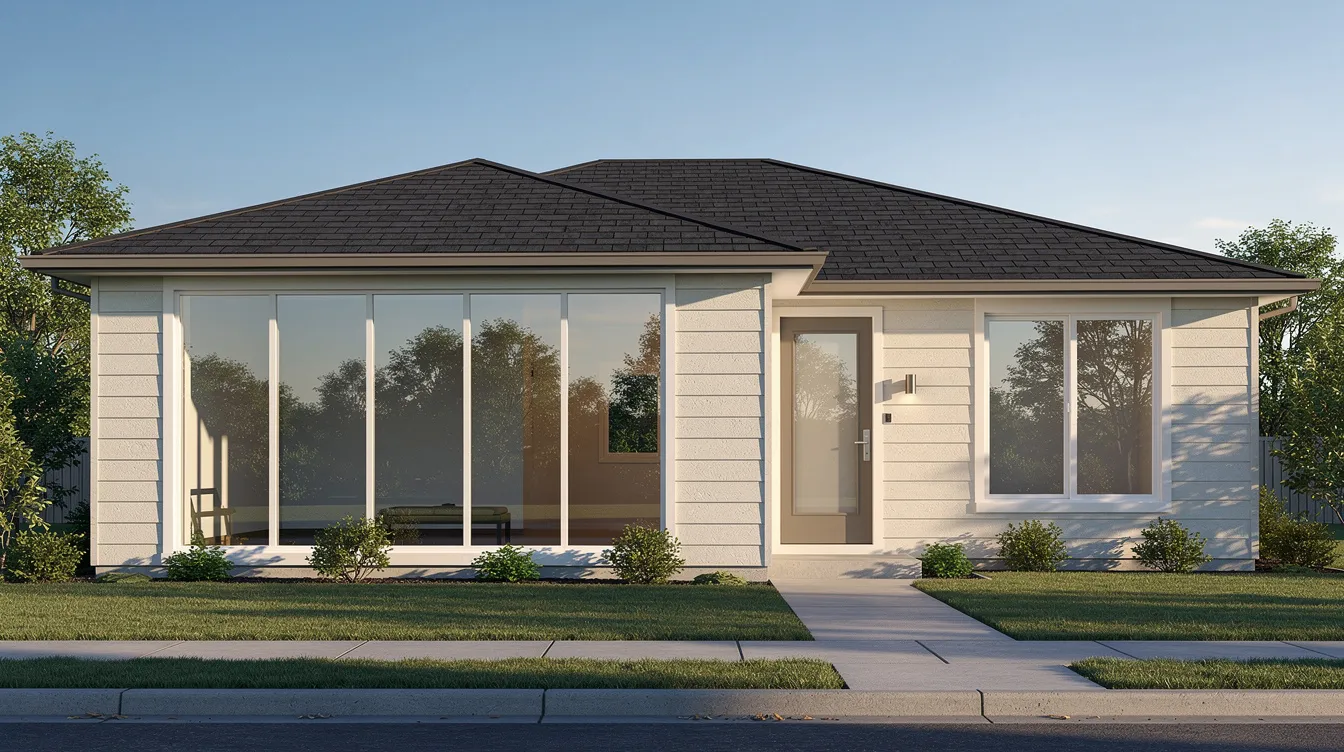
Many window installers offer a home customization tool that demonstrates how different styles will look on your specific house. This customization tool that demonstrates various frame colors, grid patterns, and configurations lets you visually see the differences in options before committing.
Some tools provide animation of new doors and windows visualized on a tool showing your actual home exterior, giving homeowners confidence in their aesthetic choices. The ability to visually see your selection on an image animation of a home proves valuable when coordinating window replacements with exterior colors or siding updates.

Common Challenges and Solutions
Even well-planned projects encounter obstacles. Understanding common issues helps you prepare appropriate responses.
Measurement and Sizing Issues
Non-square openings, deteriorated rough framing, and non-standard sizes create fitting challenges. Measure each opening independently at multiple points rather than assuming consistency. For openings significantly out of square, order custom-sized units or adjustable frames designed to accommodate variance.
Use proper shimming techniques during installation to achieve level, plumb, and square positioning regardless of rough opening conditions.
Brick, stucco, or stone exteriors complicate exterior trim and flashing work. Confirm manufacturer tolerances and consult with experienced window installers before ordering for these applications.
Weather and Seasonal Timing Concerns
Exterior work requires dry conditions for proper caulking and flashing adhesion. Extreme temperatures affect material behavior and seal curing. Peak installation seasons (typically spring and fall) create scheduling backlogs with longer wait times.
Plan replacement during moderate weather when possible. Spring and fall in most regions offer ideal conditions—moderate temperatures and manageable humidity.
For winter installations in cold climates, specify cold-weather rated caulk and sealants. Summer installations in hot regions benefit from morning work before peak heat causes excessive material expansion.
Order materials 6-8 weeks ahead during busy seasons. Build contingency days into your schedule for weather delays.
Budget Overruns and Hidden Costs
Several factors commonly push final costs beyond initial estimates:
- Structural rot requiring framing repairs before installation
- Siding or stucco damage revealed during removal
- Custom sizing needed for non-standard openings
- Permit and inspection fees
- Disposal costs for old windows
- Exterior or interior trim matching
- Scaffolding or accessibility requirements for upper floors
Obtain multiple detailed quotes with line items for potential additional work. Budget 10-20% beyond quoted amounts for contingencies. When possible, inspect existing framing conditions before finalizing contracts. Choose insert replacement when frames remain sound to minimize surprises.
Research federal tax credits and local utility rebates—these can offset substantial portions of upgrade costs.
Current federal tax credits under Section 25C provide up to $600 credit per year for qualifying energy efficient windows, doors, and skylights. Many states and utilities offer additional rebates. Verifying eligibility before purchase ensures you capture available incentives.
Cost Breakdown and Energy Savings
Understanding the investment required helps with realistic budgeting and evaluating return on investment.
Typical Replacement Costs
Single-window replacement including materials and professional labor typically ranges from $300 to $2,500, with most standard-sized double-hung or sliding windows falling between $450 and $1,200 installed. Specialty windows, bay or bow configurations, and premium materials push costs higher.
Whole-home projects replacing 10-30 windows generally run $6,000 to $20,000 for mid-range to premium materials in most markets. Major metropolitan areas often see 20-50% higher pricing due to elevated labor rates.
Material Cost Ranges (per window, material only):
- Vinyl: $100-$900
- Wood: $150-$1,500+
- Fiberglass: $400-$1,500
- Composite: $300-$1,200
Labor typically adds $150-$300 per standard window, representing 30-40% of total installed cost. Glass upgrades including Low-E coating, gas fills, and triple pane glass add $100-$400 per window depending on specifications.
Energy Savings Potential
Replacing single-pane windows with ENERGY STAR certified double-pane units reduces annual energy bills by approximately 12-13% on average. In cold climates, savings often reach $300-$500 annually; hot climate homes typically save $100-$250 per year.
Simple payback periods range from 5-15 years depending on climate severity, local energy costs, and window upgrade level. Triple pane glass in cold climates accelerates energy savings despite higher initial cost.
The comfort improvements—elimination of drafts, reduced cold spots near windows, less HVAC cycling—often prove equally valuable to homeowners beyond dollar savings.
Long-Term Maintenance and Protection
Proper maintenance extends window life and preserves performance.
Vinyl windows require minimal care—occasional cleaning with mild soap and water, checking weatherstripping every few years, and lubricating hardware. Avoid abrasive cleaners that can scratch surfaces.
Wood windows need regular inspection for moisture damage, repainting or restaining every 3-7 years depending on exposure, and prompt repair of any finish failures to prevent moisture penetration. Respond quickly to any signs of rot or insect damage.
Fiberglass and composite windows fall between vinyl and wood in maintenance needs. Clean regularly, inspect seals and weatherstripping, and check finish condition particularly on exterior surfaces exposed to intense sun.
All window types benefit from:
- Annual inspection of seals and weatherstripping
- Cleaning tracks and weep holes to ensure proper drainage
- Checking and adjusting hardware for smooth operation
- Verifying caulking condition at exterior perimeter joints
Modern insulated glass units typically last 15-25 years before seal failure occurs. When condensation appears between panes, replacement of the glass unit (or entire sash) becomes necessary.
Conclusion and Next Steps
Successful window replacement combines thoughtful material selection, accurate planning, quality installation, and realistic expectations. The variety of frame materials available—vinyl, wood, fiberglass, and composites—offers options for every budget and aesthetic preference.
Understanding the differences between full-frame and insert replacement helps you match the right approach to your specific situation.
Take these immediate next steps:
- Assess your current windows: Document condition, note problem areas, and identify which windows need replacement most urgently
- Establish your budget: Include 10-20% contingency and research available tax credits and rebates in your area
- Get multiple quotes: Obtain detailed written estimates from at least three qualified window installers, comparing products, warranties, and installation methods
- Plan your timeline: Allow adequate lead time for ordering, typically 2-8 weeks depending on customization, plus installation scheduling
Related topics worth exploring include window treatments that complement new installations, understanding NFRC ratings for comparing products, and developing a maintenance schedule to protect your investment over its full lifespan.
Additional Resources
Measurement Guide Checklist:
- Measure width at top, middle, and bottom of opening
- Measure height at left, center, and right
- Check diagonal measurements for square
- Record frame depth
- Note any visible damage or irregularities
Seasonal Timing by Climate Zone:
- Cold climates: Late spring or early fall for moderate temperatures
- Hot climates: Spring or fall avoiding summer extremes
- Moderate climates: Year-round viability with weather contingency
- All zones: Avoid peak season (spring) for shorter lead times
Energy Efficiency Ratings:
- U-Factor: Measures heat transfer; lower numbers indicate better insulation (look for 0.30 or lower in cold climates)
- SHGC: Solar Heat Gain Coefficient; lower numbers reduce cooling loads (important in hot climates)
- Visible Transmittance: Higher numbers mean more natural light transmission
- Air Leakage: Lower numbers indicate tighter seal
Check with your local utility and state energy office for current rebate programs. Federal tax credits under Section 25C apply through 2032 for qualifying energy efficient windows meeting ENERGY STAR requirements.
Get a free design consultation and maximize your budget.
