
Answering 2026’s Big Kitchen Question: Why Warm Minimalism, and Why Now?
If you’ve scrolled through Pinterest or Instagram lately, you’ve probably noticed a shift. The bright, stark kitchens that dominated feeds for the past decade—those all white kitchens with glossy surfaces and chrome everything—are giving way to something softer. Warmer. More human.
Welcome to the era of warm minimalism, and it’s reshaping how homeowners approach 2026 remodeling. According to Houzz’s analysis of renovation data and search trends, investments in depth and warmth are outpacing colder, minimalist aesthetics. The $603 billion U.S. remodeling market is responding, with kitchen upgrades scoring a perfect 10/10 Joy Score in NAR’s Remodeling Impact Report. Homeowners aren’t just renovating—they’re rethinking what a kitchen should feel like. Clients are increasingly seeking more personalized, flexible spaces, and designers are responding to these client preferences by creating adaptable layouts and incorporating unique design elements.
So what exactly is a warm minimalism kitchen? Think of it as the best of both worlds: fewer, better pieces arranged in calm, uncluttered layouts—but with soft woods, creams, and tactile textures instead of cold, gallery-like space. You’re still embracing simplicity, but you’re adding warmth through natural materials like oak and walnut, muted tones of cream and taupe, and matte finishes that invite touch rather than repel fingerprints. Bold colors are also becoming increasingly popular for walls and trim in home remodeling, adding personality and vibrancy to these spaces.
The driving force behind this movement? Japandi style—a hybrid aesthetic blending Japanese rusticity with Scandinavian functionality. This approach emphasizes natural light, honest materials, and functional simplicity. It’s been exploding across search engines and design platforms, moving from niche inspiration boards to mainstream kitchen remodels.
The motivation behind warm minimalism is clear: homeowners want their spaces to feel like sanctuaries, focusing on wellness and comfort. There is also a growing demand for flexible spaces that can adapt to changing household needs and purposes, making versatility a key consideration in 2026 remodeling projects.
This article will help you plan a 2026-ready remodel by focusing on the elements that matter most: cabinets, colors, lighting, storage, and appliances that support warm minimalism. Whether you’re scheduling a project for late 2025 or mid-2026, understanding these trends now means avoiding dated design choices that will feel tired before your first dinner party.
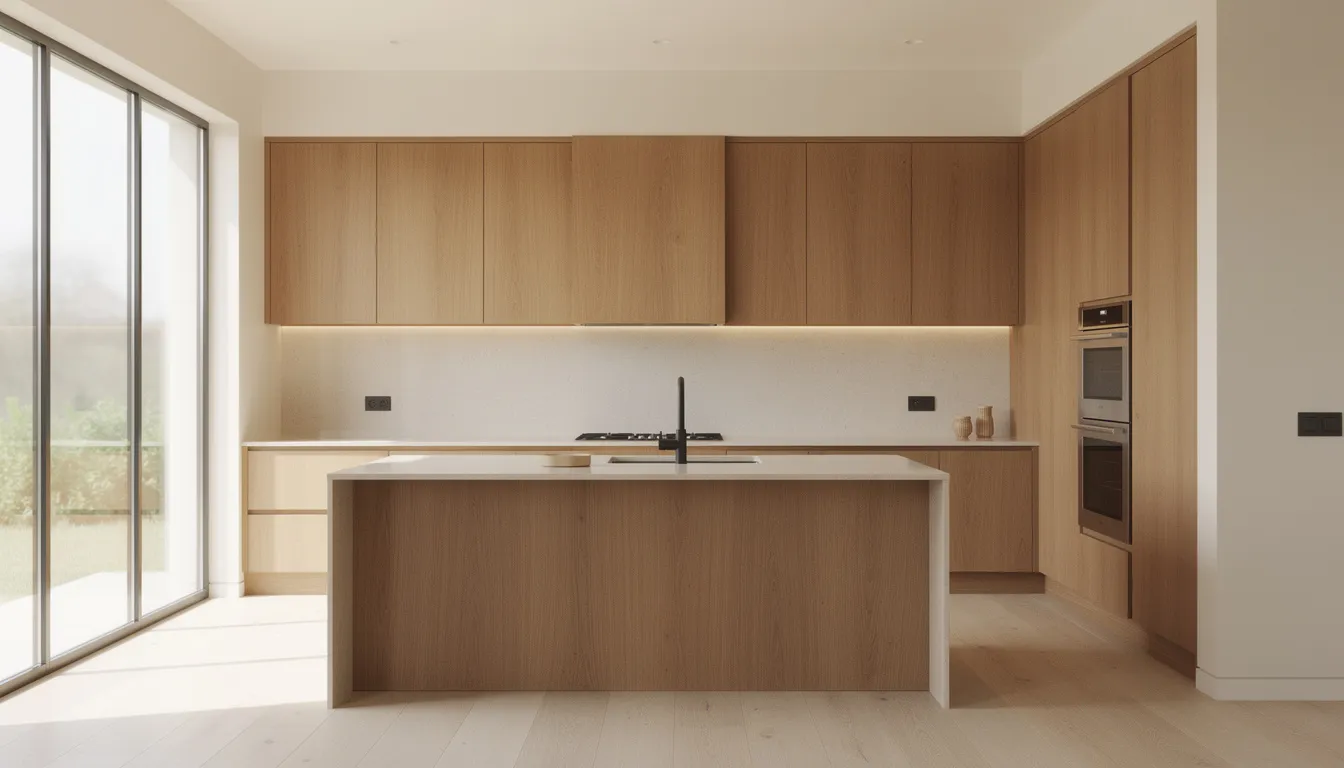
From All-White to Warm Minimalism: The New 2026 Kitchen Mood
Remember the kitchens of 2015-2022? Bright white cabinets, high-gloss surfaces, stainless steel everything, and countertops so pristine they looked like they’d never seen a pot or pan. Those spaces photographed beautifully but often felt more like surgical suites than places where families gather for cooking and conversation.
The 2026 kitchen tells a different story. We’re moving toward layered, softer, more personal spaces that still feel modern but actually welcome you in. Farmhouse kitchen sinks are a popular choice that continue to stick with traditional, sturdy construction and have real staying power in kitchen designs. There’s also a noticeable rise in the use of natural, artisan materials in remodeling, reflecting homeowners’ character and stories.
Here’s what that shift looks like in practice:
| 2015-2022 Kitchen | 2026 Warm Minimalism Kitchen |
|---|---|
| Bright blue-white paint | Warm whites, soft cream, greige walls |
| High-gloss cabinet fronts | Matte or satin finishes |
| Chrome fixtures | Brushed nickel, warm brass, soft black |
| Pure white countertops | Honed quartz, light quartzite with subtle veining |
| Stark, showroom-perfect look | Lived-in, inviting ambiance |
The shift toward wood kitchen cabinets is central to this evolution. White oak, ash, and walnut stains that show grain have become a popular choice, often combined with matte painted fronts in warm neutrals. Designers are moving away from the uniformity of painted everything toward mixed-material configurations that add visual depth.
Hardware and fixtures follow suit. Shiny chrome is out. Brushed nickel, warm brass, and black with soft sheen—not mirror gloss—are in. These finishes reflect light gently rather than bouncing it around the room like a disco ball.
The key distinction? Warm minimalism still feels sleek and modern, but it’s meant to look lived-in and inviting rather than sterile or showroom-perfect. Your kitchen should look like someone actually uses it—because you will.
Japandi Style: The Design Backbone of 2026 Kitchens
Japandi—the fusion of Japanese and Scandinavian design principles—has moved from niche Pinterest boards to mainstream kitchen remodels by 2026. If warm minimalism is the destination, Japandi is the roadmap.
This style draws from Japanese wabi-sabi, which embraces imperfection through raw, natural wood grains and muted earth tones. It also borrows from Scandinavian hygge, focusing on functional simplicity, clean lines, and cozy functionality. The result? Kitchens that feel both minimalist and soulfully lived-in.
Core Japandi principles for kitchens:
- Low visual clutter with every object earning its place
- Strong horizontal lines that create calm and balance
- Natural wood as the dominant material
- A restricted neutral color palette of creams, stone, clay, and black accents
- Connection to nature through windows, plants, and honest materials
These principles directly influence cabinet design. Forget ornate details, heavy molding, or raised panels. Japandi cabinets feature flat-panel doors, integrated pulls or slim hardware, and frameless construction with slim reveals. According to Houzz data, flat-panel cabinets are now the second most popular style after Shaker, with warm wood tones driving their rise even in traditional rooms.
Concrete Japandi elements you might incorporate:
- Slatted wood paneling on an island base
- Open oak shelves displaying 1-2 curated objects (a unique piece of pottery, a simple vase)
- Bench seating in a breakfast nook with linen cushions
- A single statement pendant in natural materials over the kitchen sink
- Fluted glass cabinet inserts that add texture without ostentation
Japandi also supports wellness in ways that go beyond aesthetics. Easy-to-clean surfaces reduce maintenance stress. Clear pathways improve daily life flow. An emphasis on natural light and connection to outdoor views through windows enhances mental well-being—something Houzz’s wellness reports connect to biophilic elements like natural textures reducing stress.
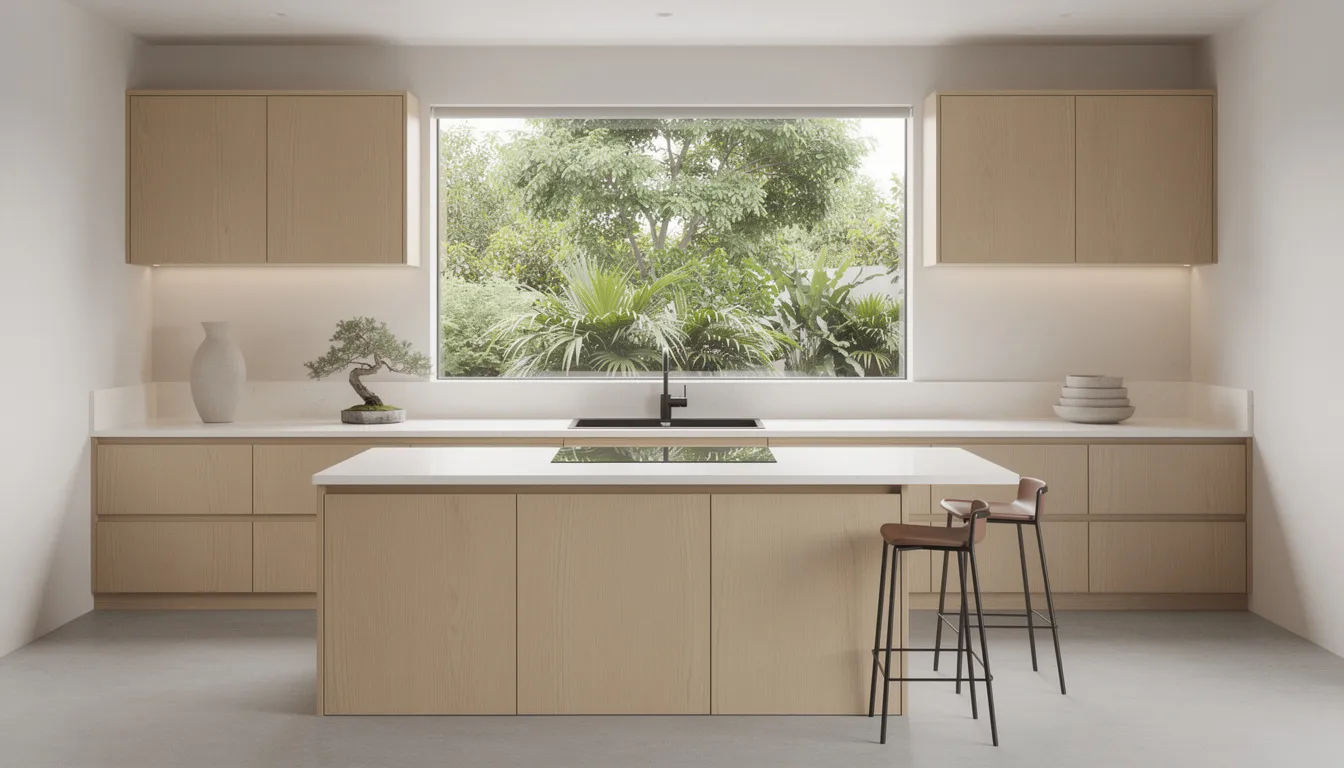
Color and Texture in Japandi-Inspired Warm Minimalism
Getting the Japandi color palette right is essential for achieving the warm minimalism aesthetic in your 2026 kitchen. Here’s a concise breakdown:
Wall colors: Soft whites and warm off-whites work best. Avoid anything too blue or stark—think creams that have a whisper of warmth. Mushroom, putty, and greige also work beautifully.
Cabinet combinations to explore:
- Lower cabinets in light oak paired with matte cream upper cabinets
- A deeper taupe or walnut island to ground the space
- All wood cabinets in a single consistent tone for a seamless minimalist aesthetic
Textures that enhance warm minimalism:
- Linen shades on pendant lighting
- Woven bar stools or counter seats
- Lightly textured plaster or microcement-style backsplashes
- Handmade-look tile with subtle imperfections
- Natural stone with quiet veining
Patterns, if used at all, should be quiet and large-scale. Wide-vein quartz countertops add visual interest without competing with the calm base. Houzz data shows checkerboard flooring searches are up 38%, but in Japandi kitchens, these tend toward sage-cream palettes rather than high-contrast black and white.
The goal is creating layers of warmth without creating visual noise. Each texture should feel intentional, contributing to the overall sense of calm rather than demanding attention.
Wood Kitchen Cabinets: The Hero of 2026 Remodeling
Wood cabinets are central to 2026 warm minimalism, as they replace the dominance of pure white shaker doors that defined the previous decade. This isn’t a return to the heavy oak cabinets of the 1990s—it’s a refined, modern take on natural wood that feels completely current.
Species and tones leading the trend:
| Wood Species | Finish Style | Best For |
|---|---|---|
| Rift-sawn white oak | Natural or light fumed | Classic Japandi warmth |
| Walnut | Clear matte or light oil | Richer contrast, dramatic islands |
| Ash | Pale whitewash or natural | Scandinavian-forward looks |
| Reclaimed timber | Cerused or wire-brushed | Wabi-sabi authenticity |
Grain pattern matters more than you might expect. For a minimalist feel, look for straight, calm grain—rift-sawn cuts provide this naturally. Highly figured woods with dramatic grain patterns can compete with the clean aesthetic you’re trying to achieve.
Mixed-material configurations work beautifully:
- Lower cabinets in natural wood with uppers in matte paint
- A wood island paired with perimeter cabinets in cream
- Wood on the range wall with painted cabinets elsewhere
- Open wood shelving combined with closed painted storage
Natural stone countertops are making a comeback in kitchen designs. Quartz countertops have also been a popular choice for kitchens due to their ease of maintenance.
When selecting finishes, durability matters for long lasting appeal. Matte polyurethane or hardwax oil finishes keep sheen low while protecting against the wear and tear of daily life. High-gloss lacquers are declining—they highlight imperfections and create harsh reflections that work against warm minimalism’s softer aesthetic.
Houzz notes that warm wood tones combined with minimal hardware are propelling flat-panel designs forward, offering a “refined, custom appearance” that’s easy to clean and maintain. For homeowners interested in a style that outlasts trend cycles, wood cabinets in calm tones are a smart investment.
Cabinet Details That Make Warm Minimalism Work
The details of your cabinets determine whether you achieve true warm minimalism or just a rough approximation. Here’s what to focus on:
Keep cabinet faces simple:
- Flat-panel or very slim shaker rails (avoid thick frames)
- No raised panels
- Minimal decorative trim
- Consistent reveals for a seamless look
Hardware decisions:
- Integrated pulls (finger pulls routed into the cabinet edge) for the cleanest look
- Edge pulls that disappear into the cabinet profile
- When visible hardware is preferred: slender pulls in brushed nickel, champagne bronze, or black
- Jewelry-like hardware from brands focusing on organic, sculptural shapes can add personality without breaking the minimalist feel
Practical 2026 features to include:
- Full-extension soft-close drawers throughout
- Deep drawers for pots, pans, and dishes instead of many small doors
- Narrow pull-outs for spices, oils, and cooking essentials near the range
- Vertical dividers for cutting boards and baking sheets
- Interior drawer organizers in natural wood or neutral materials
These cabinet details are meant to outlast trend cycles and feel current past 2030. Think of them as a box checked for both style and functionality—choices that will serve your house well for decades, not just until the next design forecast arrives.
Color, Finish, and Surfaces: Matte Wins 2026
The 2026 kitchen is moving decisively toward matte and low-sheen surfaces—both for aesthetics and practical maintenance reasons. Houzz data shows matte finishes are 38% more searched in wellness-oriented remodels, and for good reason.
Why matte dominates:
- Superior light diffusion that softens harsh shadows
- Fingerprint resistance (especially important with children)
- Tactile appeal that invites touch
- Warmer ambiance compared to reflective surfaces
- Easier maintenance without constant wiping
Cabinet finishes should be matte or satin. High gloss shows every fingerprint, smudge, and imperfection—experts note you can see smudges from across the room. In task-heavy kitchen zones, matte lacquers or oils reduce glare and create a calmer environment.
Countertop materials that suit warm minimalism:
| Material | Finish | Color Direction |
|---|---|---|
| Quartz | Honed (not polished) | Warm white with subtle veining |
| Quartzite | Leathered or honed | Light stone tones |
| Porcelain slabs | Soft-matte | Cream, sand, or warm gray |
| Natural granite | Honed | Light neutrals only |
Backsplash ideas:
- Full-height slab in the same material as countertop for seamless flow
- Oversized subway tile in soft, handmade-look finishes
- Zellige or other textured tiles in neutral colors
- Microcement for a plastered, organic appearance
A cohesive color combination might include: cream walls, warm white quartz with soft veining, light oak cabinets, and matte black fixtures for quiet contrast. This palette works in any square foot configuration, from galley kitchens to expansive open plans.
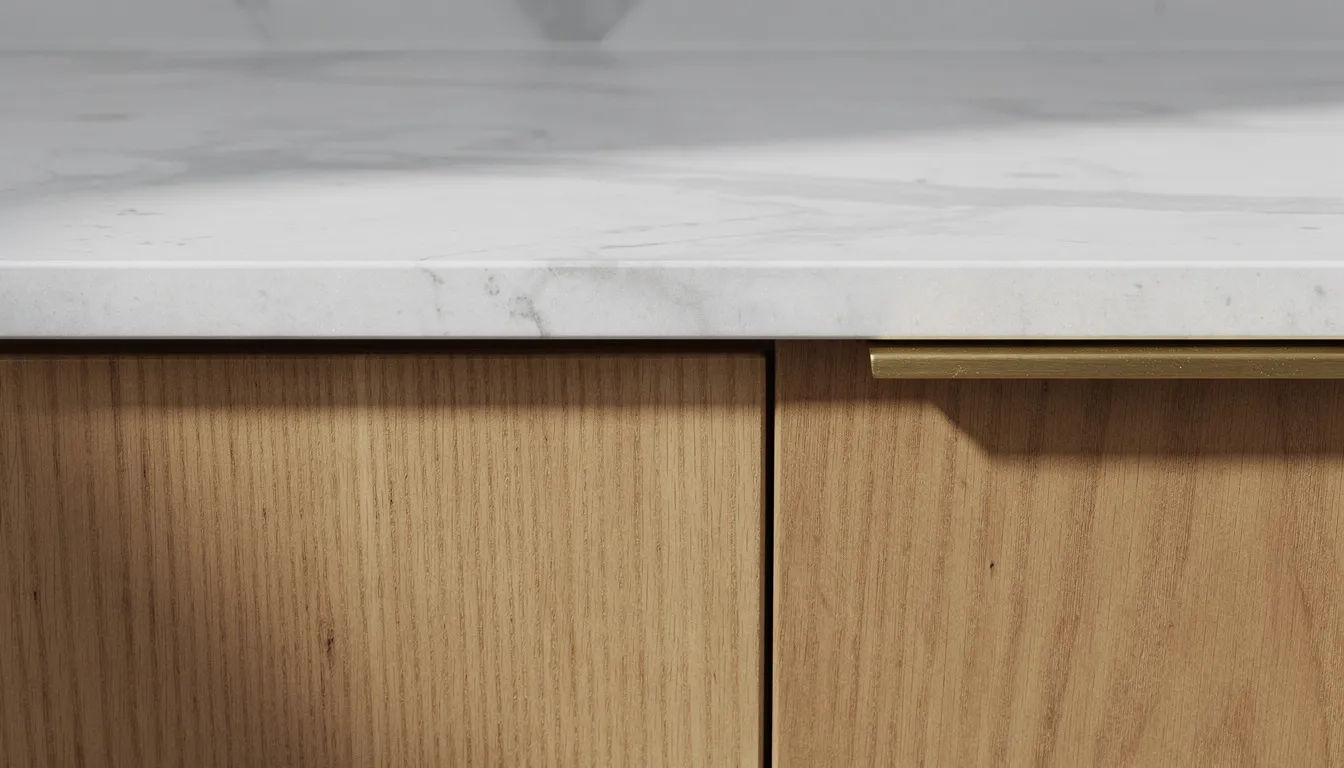
Bold, But Not Loud: Accent Colors in a Warm Minimalist Kitchen
2026 boldness in warm minimalism shows up in deep, desaturated hues rather than bright primaries. You’re not adding pops of cherry red or electric blue. Instead, you’re introducing muted, nature-derived colors that add depth without disrupting calm.
Accent options to explore:
- Deep forest green cabinets on the island only
- An ink blue range wall as a focal point
- A rust-colored runner on a pale floor
- Charcoal or deep brown on a breakfast nook bench
- Sage green open shelving against cream walls
Use these accents sparingly to preserve the calm base. Houzz reports a 22% rise in Art Deco details like chevrons and fluted woods in brass accents, suggesting homeowners want personality—just not chaos.
Keep accents easily changeable where possible:
- Paint (an island can be repainted in a weekend)
- Textiles (runners, bar stool cushions, window treatments)
- Decorative objects on open shelving
- Light fixtures
This approach also supports resale value. A largely neutral shell with carefully placed color reads stylish and current in 2026 while remaining accessible to future buyers who might wonder about your bolder choices. The rest of the kitchen stays timeless; the accents can evolve.
Decluttered Counters and the Rise of the Hidden Scullery
One defining feature of 2026 warm minimalism is the totally clear main countertop. No toasters. No coffee makers. No stand mixers waiting for their moment. Just clean, calm surfaces that reflect the minimalist aesthetic.
How do people actually live this way? Hidden work zones.
The scullery concept:
A scullery (or back kitchen) is a small adjacent room or alcove that handles the mess while your main kitchen stays pristine. Houzz identifies “hidden spaces” as a top 2026 renovation priority, and the scullery leads this trend.
A well-designed scullery might include:
- A secondary sink for prep and cleanup
- Counter space for small appliances
- Open shelving for everyday items
- A dishwasher for convenience during entertaining
- Storage for bulk goods and packaging
Pantry design for minimalist living:
- Full-height pantry cabinets with pull-out drawers
- Walk-in pantries with simple, consistent shelving
- Pocket doors or integrated panels that blend with cabinetry
- Interior lighting for functionality
The practical question everyone asks: where do the toaster, coffee maker, and mixer actually live? In a warm minimalist kitchen, they’re tucked into:
- Appliance garages with roll-up or pocket doors
- Dedicated cabinet niches on the scullery counter
- Pull-out shelves in the pantry
- A breakfast station hidden behind closed doors
This approach isn’t about perfection or pretending you don’t cook. It’s about designing storage and secondary zones so daily life feels calmer and easier to maintain. Architect Kevin Kaminski describes these as “concealed but always adjacent”—the tools you need are close, just not visible.
Smart Storage That Supports Minimalism
The success of warm minimalism depends entirely on storage planning. Without enough—and the right kind—of storage, those clean counters become aspirational rather than achievable.
Specific storage solutions to incorporate:
- Deep drawers for dishes (easier than reaching into cabinets)
- Vertical tray dividers for cutting boards and baking sheets
- Corner solutions that don’t waste space (swing-out or magic corner systems)
- Built-in trash and recycling pullouts near the sink
- Drawer dividers in natural wood or matching materials
- Full-extension slides so nothing hides in the back
Appliance garages are essential:
Tall cabinets with pocket doors can hide small appliances while keeping them accessible. Position them near outlets so the coffee maker is ready to use without moving it to the counter.
The family hub cabinet:
Every 2026 household benefits from one designated cabinet that contains:
- Charging drawers for devices
- Paper storage (mail, school forms, coupons)
- Keys and wallet drop zone
- Flashlights and batteries
- Whatever accumulates on your current counters
Storage planning should happen early in the remodeling process—before you select finishes, before you sign off on cabinet fronts. The minimalist look is only achievable if the layout supports real daily life. Don’t expect clean counters without first creating homes for everything that currently lives on them.
Lighting and Natural Light: Soft, Layered, and Intentional
2026 kitchens prioritize both natural light and layered artificial lighting to complement warm minimalism. The goal is creating an ambiance that feels welcoming at any hour—bright enough for cooking, soft enough for evening conversation.
Maximizing natural light:
- Choose windows facing east or south where possible
- Use simple, minimal trim that doesn’t compete with views
- Consider skylights or solar tubes in darker kitchens
- Keep window treatments minimal—Roman shades in linen, or nothing at all
- Position the kitchen sink under windows (classic for a reason)
The three-layer lighting plan:
| Layer | Purpose | Fixtures |
|---|---|---|
| General/Ambient | Overall room illumination | Recessed ceiling lights, surface-mount fixtures |
| Task | Work surface lighting | Under-cabinet LEDs, pendant lights over island |
| Accent/Decorative | Atmosphere and focal points | Statement pendants, interior cabinet lighting |
Light temperature matters:
Warm light temperatures—around 2700K to 3000K—keep creams and woods looking inviting rather than yellow or washed out. Avoid anything above 4000K, which reads cold and clinical. LED technology makes this easy to specify, and most fixtures now offer tunable options.
Fixture style for warm minimalism:
- Minimalist but sculptural forms
- Black, brass, or natural materials (wood, linen shades, paper)
- Quiet focal points rather than dramatic chandeliers
- Consistent finish family throughout the kitchen
- Scale appropriate to ceiling height and island size
Integration With Smart Home Systems
2026-level smart lighting controls have matured beyond novelty to genuine convenience. App- or voice-controlled dimmers let you create scenes—“cooking” with brighter task lighting, “evening” with dimmed ambiance, “guests” with balanced layers.
Keeping technology streamlined:
The warm minimalist aesthetic requires visible technology to be minimal:
- Recessed fixtures that disappear into the ceiling
- Low-profile switches or smart keypads
- Hidden hubs and controllers
- Clean walls without exposed wiring or bulky controls
Smart lighting integrates with other efficient kitchen features. Your induction range might dim the overhead lights when you’re simmering. Energy-efficient ventilation can coordinate with lighting scenes. The whole system works together without demanding attention.
Scaling to your budget:
You don’t need a whole-house automation system to benefit from smart controls. Start with:
- A single smart dimmer on the main kitchen circuit
- Smart bulbs in pendant fixtures
- A voice assistant for basic control
Or go comprehensive with a whole-home solution that manages lighting, climate, and appliances together. The technology fits 2026 remodeling budgets at every level.
Kitchen Layout: Flow, Function, and Flexibility in Warm Minimalist Spaces
A thoughtfully designed kitchen layout is the backbone of any successful minimalist renovation, especially when warmth and daily life are at the heart of your vision. In 2026, the best kitchens aren’t just beautiful—they’re efficient, flexible, and tailored to the way you live, cook, and gather.
Simplicity Meets FunctionalityWarm minimalism thrives on simplicity, but that doesn’t mean sacrificing convenience or style. Start by considering how you move through the space: the classic “work triangle”—the relationship between the kitchen sink, stove, and refrigerator—remains a popular choice for maximizing efficiency. By keeping these key elements within easy reach, you create a layout that supports seamless cooking and reduces unnecessary steps (and mess).
Maximizing Every Square FootEvery square foot counts in a minimalist kitchen. Open up the room with large windows or even a skylight to flood the space with natural light, enhancing the ambiance and making the kitchen feel more expansive. Natural light not only highlights the beauty of natural materials like wood and stone, but also brings out the subtlety of a neutral color palette—think muted tones of taupe, beige, and cream that keep the atmosphere calm and cohesive.
The Kitchen Sink as a Stylish Focal PointIn warm minimalist spaces, the kitchen sink is more than just a utility—it’s a unique piece that can anchor the entire room. Sinks crafted from natural materials like granite or stone are a popular choice, offering both durability and a tactile, organic texture that stands out against sleek cabinets and countertops. Whether you opt for a deep farmhouse sink in natural wood tones or a streamlined under-mount style, the right sink can reflect your personal style while blending seamlessly with the rest of the kitchen.
Flexible Storage and Sleek AppliancesA minimalist kitchen layout should make daily life easier, not more complicated. Incorporate multi-functional cabinets—think deep drawers for pots and pans, pull-out shelves for pantry items, and hidden compartments for small appliances. Sleek, integrated appliances keep the look streamlined and clutter-free, while still providing all the convenience you need for efficient cooking and entertaining.
Sustainability and WarmthToday’s homeowners are increasingly interested in sustainability, and a warm minimalist kitchen is the perfect place to put those values into practice. Choose energy-efficient appliances, LED lighting, and eco-friendly materials to create a space that’s as responsible as it is stylish. Natural wood cabinets, stone countertops, and neutral colors not only enhance the warmth and texture of the room, but also ensure your kitchen remains timeless and long lasting.
Design for Real LifeUltimately, the best kitchen layout is one that enhances your lifestyle—whether you’re hosting friends, prepping family meals, or simply enjoying a quiet morning coffee by the window. By focusing on flow, function, and flexibility, and by embracing the principles of warm minimalism, you can create a kitchen that feels both inviting and efficient, ready to support every moment of daily life.
Whether you’re planning a full remodel or just searching for inspiration, remember: a well-designed layout is the foundation for a kitchen that truly reflects your style, supports your routines, and brings warmth to the heart of your home.
Appliances, Energy Efficiency, and Healthy Materials in a Warm Minimalist Kitchen
2026 kitchen trends don’t stop at style—they also prioritize efficiency, indoor air quality, and long-term sustainability. Homeowners are increasingly aware that their choices impact both their utility bills and their family’s health.
Induction cooking leads the way:
Induction ranges have become the preferred choice for 2026 remodels. They offer:
- Sleek, flat surfaces that integrate with minimalist design
- No combustion byproducts affecting indoor air quality
- Faster heating and more precise temperature control
- Easier cleanup (spills don’t bake onto cool surfaces)
- Energy efficiency compared to gas or traditional electric
Integrated appliances:
Panel-ready refrigerators and dishwashers can be clad in matching wood or matte panels, making them nearly invisible within your cabinet run. This creates the uninterrupted visual flow that warm minimalism demands. Even range hoods can be concealed within custom millwork.
Material health considerations:
- Low- or no-VOC paints on walls and cabinets
- Formaldehyde-free cabinet box construction where possible
- Durable, quality surfaces that won’t need replacement quickly
- Natural finishes (hardwax oils, water-based polyurethanes)
Energy efficiency beyond appliances:
- Efficient ventilation systems that actually clear cooking air
- LED lighting throughout (already standard, but worth confirming)
- Integration with heat pumps or efficient HVAC as part of a whole-house approach
- ENERGY STAR ratings on all major appliances
NAR data shows 19% of recent remodels prioritized energy efficiency, a number expected to rise with incentives. Japandi’s emphasis on natural materials like bamboo and reclaimed wood aligns with these sustainability trends—good for the planet and often long lasting in ways synthetic materials aren’t.
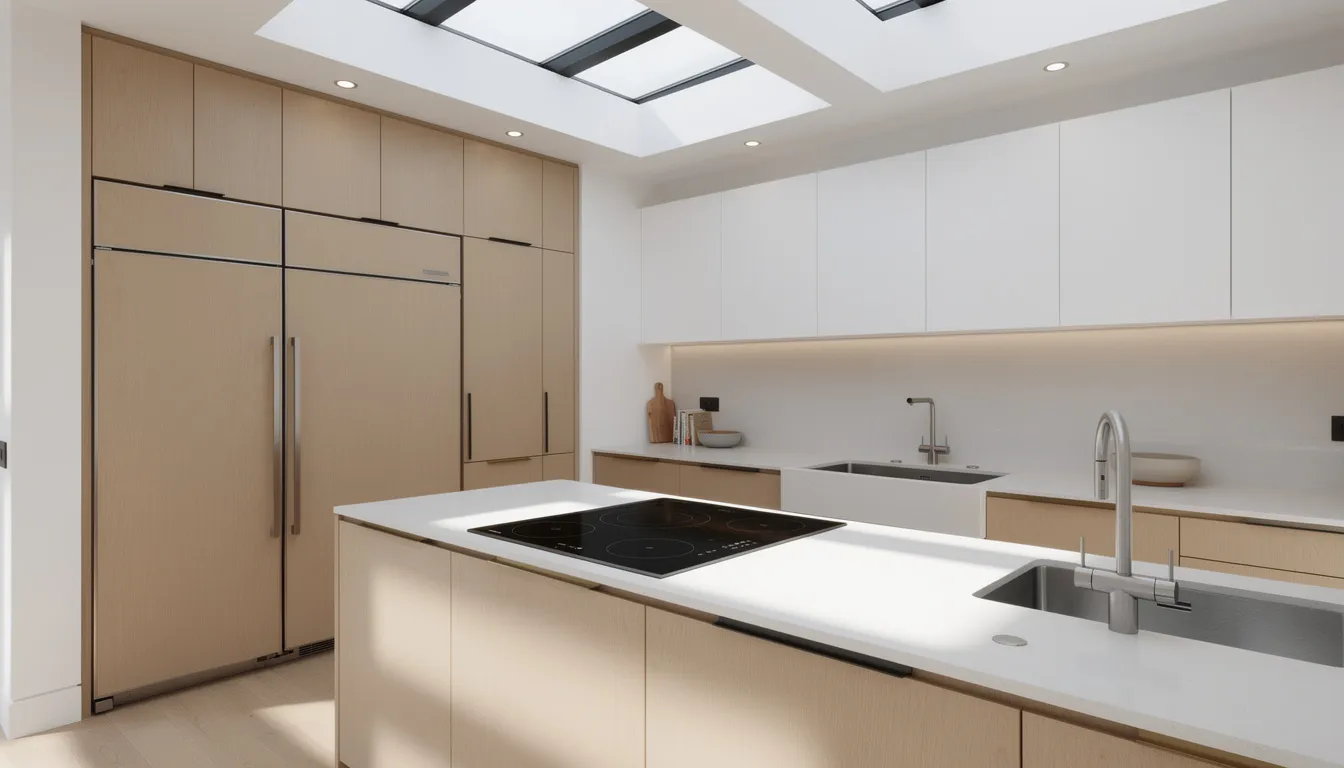
Planning Your 2026 Warm Minimalism Kitchen Remodel
Ready to transform your kitchen? Start with clarity, not catalogs.
Clarify your priorities first:
Before picking a single finish, answer these questions:
- Do you need more storage, better natural light, or a calmer overall look?
- What drives you crazy about your current kitchen?
- How do you actually use this room in your daily life?
- What’s your realistic budget for this remodeling project?
- When do you need the project complete?
Create a focused mood board:
Gather specific examples of warm minimalism and Japandi kitchens from late-2024 to 2026 sources. Look for:
- Wood cabinet inspiration in your preferred tone
- Color palettes that appeal to you
- Layout ideas that match your floor plan
- Details like hardware, fixtures, and backsplash treatments
- Storage solutions that address your specific needs
Search platforms like Pinterest, Houzz, and design publications specifically for “warm minimalism kitchen” and “Japandi kitchen 2026” to find current reference images.
Partner with the right team:
Work with a design-build or remodeling team that understands warm minimalism. They should take time to understand your needs and preferences, since these are crucial for a successful 2026 remodeling project. The same warm minimalism trends can be thoughtfully applied to bathroom remodeling, ensuring cohesive style and functionality across your home. They should be able to:
- Balance aesthetics with function and code requirements
- Source quality wood and materials within your budget
- Plan storage before specifying finishes
- Coordinate trades for efficient project execution
- Guide decisions without pushing trends that don’t fit your lifestyle
Timeline considerations:
If you’re targeting a 2026 completion, begin planning now. Quality wood cabinets often have 12-16 week lead times. Popular materials face supply chain variables. Design decisions take longer than you expect—and rushing leads to regret.
A 2026-ready kitchen should feel timeless, not trendy. Simple lines, warm materials, natural elements, and well-planned storage will support your life for many years—outlasting whatever the next forecast brings. The bedroom can chase trends; the kitchen should anchor your house.
Start your search with inspiration. End it with a space that works beautifully every single day.
